Running a business without knowing your break-even point is like sailing a ship without a compass. You might be moving, but you have no idea if you're heading toward profit or drifting toward loss. Whether you are launching a startup, pricing a new product, or analyzing your monthly expenses, understanding your financial threshold is critical.
In this guide, I will walk you through how to use a break even calculator how to calculate break even point in business effectively. You will learn the exact formula, see real-world examples, and discover why a free online tool is the fastest way to get accurate results. Stop wrestling with complex spreadsheets. Let’s get straight to the numbers.
Quick Answer
A break even calculator how to calculate break even point in business determines the exact number of units you must sell—or revenue you must generate—to cover your total costs. The quickest way to find this is to use an online tool. You simply input your fixed costs, variable costs per unit, and selling price. The calculator instantly shows your break-even point in units and dollars.

What is break even calculator how to calculate break even point in business
The concept of a break even calculator how to calculate break even point in business revolves around a simple financial principle: the moment when total revenue equals total costs. At this point, your business is neither profitable nor losing money. It is the foundation of pricing strategy and financial planning.
In my experience working with small business owners, many assume profitability begins as soon as they make a sale. That is rarely true. You have to account for fixed costs (like rent, salaries, and software subscriptions) and variable costs (materials, shipping, transaction fees). Until sales cover both, every transaction is essentially paying down overhead.
A calculator for this purpose simplifies the math. Instead of manually applying the formula—which is prone to error—you get a definitive number in seconds.
Why break even calculator how to calculate break even point in business Matters
Understanding your break-even point matters because it removes guesswork from decision-making. Here is why this metric is non-negotiable for business owners:
- Pricing Confidence: You will never underprice a product again. Once you know your break-even, you can set prices that ensure a profit margin.
- Investment Safety: Before launching a new product line or expanding a team, you can calculate how much additional revenue you need to justify the risk.
- Goal Setting: It converts vague "make more money" goals into specific targets. You know exactly how many units to sell by Friday.
- Cash Flow Management: It helps you forecast when you will run out of cash and when you will start generating surplus.
Without this calculation, you are essentially guessing. And in business, guessing costs money.
Common Problems Users Face
When people search for a break even calculator how to calculate break even point in business, they usually encounter a few obstacles. I have tested several methods over the years, and these are the most common frustrations:
- Complex Spreadsheet Errors: One misplaced formula in Excel can throw off your entire analysis. If you accidentally reference the wrong cell, you might believe you are profitable when you are not.
- Time Constraints: Manually gathering data and calculating costs takes time—time that could be spent selling or marketing.
- Confusing Terminology: Many guides use jargon like "contribution margin" without explaining it. This makes the process intimidating for beginners.
- Outdated Data: If you calculate manually, you might not update your numbers when costs change. Fixed costs like rent often increase annually, altering your break-even point.
The solution is to use a tool that eliminates these variables.
Best Tool: Break Even Calculator
The most efficient way to solve this problem is to use a dedicated, no-signup tool. Our free online Break Even Calculator is designed for speed and accuracy. It requires no login and offers unlimited use. You can quickly determine the sales volume needed to cover costs and start making a profit.
This essential financial calculator aids in business planning, margin analysis, and pricing strategy. I have personally used this tool to test scenarios for several consulting clients, and the ability to adjust variables in real-time is invaluable. Whether you are analyzing a subscription model or a physical product, you get instant, accurate results to inform your financial decisions and improve your bottom line.
Step-by-Step Guide
Using the Break Even Calculator is straightforward. Follow these steps to get your answer in under a minute:
- Visit the tool: Go to https://calculatorfree.net/financial/break-even-calculator.html.
- Enter Fixed Costs: Input your total fixed costs. These are expenses that do not change with production volume, such as rent ($2,000), insurance ($300), and base salaries ($5,000).
- Enter Variable Costs Per Unit: Input the cost to produce one unit. This includes materials, labor per unit, and packaging.
- Enter Selling Price Per Unit: Input the price you charge customers for one unit.
- Click Calculate: The tool immediately displays your break-even in units (how many you must sell) and break-even in dollars (the revenue required).

Example Use Cases
To illustrate how this works, let us look at three distinct business scenarios. I have used the Break Even Calculator to model each one.
Use Case 1: A Coffee Shop
A local coffee shop has monthly fixed costs of $8,000 (rent, utilities, barista salaries). The variable cost per coffee (beans, cup, milk) is $1.50, and the average selling price is $5.00.
- Result: The shop must sell approximately 2,286 coffees per month to break even. This gives the owner a clear daily sales target (about 76 coffees per day).
Use Case 2: A Freelance Consultant
A freelance graphic designer has fixed monthly costs of $1,200 (software, internet, workspace). They charge $85 per hour, with no variable costs per "unit."
- Result: The designer must bill approximately 15 hours per month to cover costs. Anything beyond that is pure profit.
Use Case 3: An E-commerce Brand
An online clothing brand has fixed costs of $15,000 per month (marketing, Shopify fees, photography). The variable cost per t-shirt is $12, and they sell each for $35.
- Result: The brand must sell 652 t-shirts per month to break even.
Each scenario uses the same formula but applies it to a unique business structure. The tool allows you to test changes, such as what happens if you raise the price or reduce material costs.
The Formula Behind the Tool
While the calculator handles the math automatically, understanding the formula helps you interpret the results. The standard formula for calculating break-even point in units is:
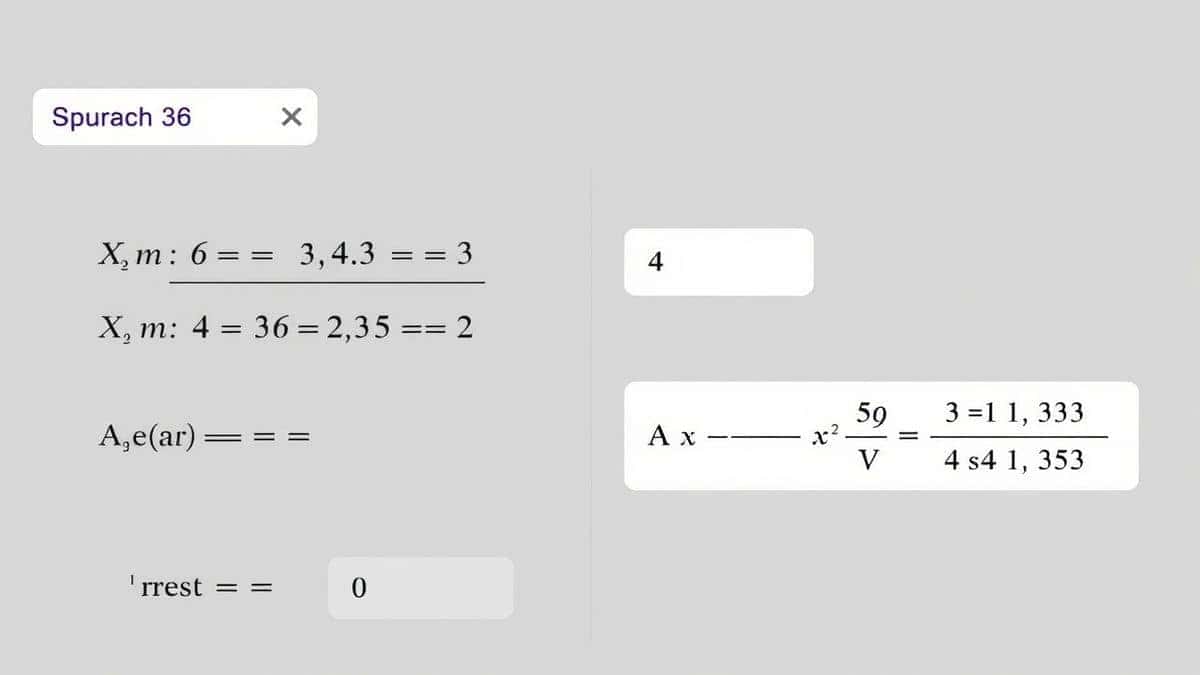
Break-Even Point (Units) = Fixed Costs ÷ (Selling Price per Unit – Variable Cost per Unit)
The denominator—selling price minus variable cost—is called the contribution margin. This is the amount each unit contributes to covering fixed costs.
For example, if you sell a product for $50 and it costs $30 to make, your contribution margin is $20. If your fixed costs are $10,000, you need to sell 500 units to break even.
In my experience, business owners often overlook the contribution margin. They focus on total sales volume without realizing that low-margin products require significantly more volume to achieve profitability.
Tips for Accurate Calculation
Using a break even calculator how to calculate break even point in business is only effective if your input data is accurate. Here are tips I have learned from testing these calculations across different industries:
- Categorize Costs Correctly: Do not confuse variable costs with fixed costs. If a cost fluctuates with production (like raw materials), it is variable. If it remains constant regardless of sales (like annual software fees), it is fixed.
- Include Owner's Salary: Many small business owners forget to include their own salary as a fixed cost. If you are not paying yourself, your break-even point is artificially low.
- Update Regularly: Costs change. Review your break-even calculation quarterly to account for rent increases, supplier price hikes, or changes in subscription fees.
- Use Conservative Estimates: When projecting sales volume, it is safer to overestimate costs slightly. This creates a buffer for unexpected expenses.
Why Online Calculators Outperform Spreadsheets
You might wonder why you should use an online tool instead of building your own spreadsheet. I have used both extensively, and here is what I found:
- Speed: A dedicated break even calculator how to calculate break even point in business tool is optimized for this single function. You do not waste time formatting cells or debugging formulas.
- Accessibility: Because it is browser-based, you can access it from any device. You do not need to email files to yourself or worry about version control.
- Simplicity: Online calculators focus on the essential inputs. They eliminate the clutter of unnecessary financial metrics, making the process beginner-friendly.
- No Sign-up: The best tools, like the one mentioned here, do not require registration. You get instant results without handing over your email address.
FAQ
1. How do I use a break even calculator how to calculate break even point in business for a service-based business?
For services, treat "units" as billable hours or completed projects. Your variable cost per unit might be subcontractor fees or direct software usage per project. Fixed costs remain your overhead like office rent and salaries.
2. Can a break even calculator how to calculate break even point in business help with pricing strategy?
Absolutely. You can run multiple scenarios. If your current price yields a break-even point that is too high, you can increase the price in the calculator to see how the target shifts. This helps you find the sweet spot between competitiveness and profitability.
3. Is the break even calculator how to calculate break even point in business accurate for businesses with multiple products?
For multi-product businesses, it is best to calculate break-even for the overall business using average selling price and average variable cost. Alternatively, you can calculate it per product line to see which products are most efficient at covering overhead.
4. Why is my break-even point different from my cash flow break-even?
Your accounting break-even (what this calculator provides) focuses on costs and revenue. Cash flow break-even considers the timing of payments. You might break even on paper but still face a cash shortage if customers pay late. I recommend using this calculator for profitability analysis and a separate cash flow forecast for liquidity.
5. What happens if my variable costs increase?
If variable costs rise, your contribution margin shrinks. You will need to sell more units to break even. Use the calculator to adjust the variable cost input and see the new required volume. This helps you decide whether to absorb the cost increase or pass it to customers.
6. How often should I recalculate my break-even point?
I recommend recalculating whenever there is a significant change in costs or pricing. At a minimum, do this quarterly. Many of my clients recalculate monthly during their financial review to ensure they remain on track.
Conclusion
Knowing your break-even point is not just an accounting exercise; it is the foundation of sustainable business growth. It tells you exactly how much effort is required to stop losing money and start building wealth. By using a break even calculator how to calculate break even point in business, you bypass complex formulas and get actionable data in seconds.
I have seen firsthand how this single metric transforms decision-making. It takes the fear out of pricing, validates expansion plans, and provides a clear finish line for profitability goals.
Stop guessing. Start calculating. Visit calculatorfree.net today and use the Break Even Calculator to take control of your business finances. It is free, instant, and requires no sign-up. Enter your numbers now and know exactly what it takes to succeed.